

Vibration plates are one of the most debated pieces of home fitness equipment. Some people swear by them for recovery, mobility, and low-impact exercise. Others dismiss them as overhyped machines promising unrealistic transformations with little effort.
One reason vibration plates create so much confusion is because they are often marketed in extremes. Some claims make them sound like a shortcut to instant fitness results, while sceptics sometimes assume they do nothing at all.
In reality, vibration plates are simply a fitness tool and like most fitness tools, their effectiveness depends on how they are used, how consistently they are used, and what expectations people have going into them. So, do vibration plates actually work?
Yes but probably not in the way many people expect. They are not magic machines that replace movement entirely. They will not instantly create dramatic body transformations without consistency or effort. But they can absolutely support movement, recovery, muscle activation, and low-impact home fitness routines when used realistically.
This guide breaks down what vibration plates actually do, what benefits people commonly experience, and what results you can realistically expect over time.

Why People Are Sceptical About Vibration Plates
Over the years, vibration plates have sometimes been promoted as effortless solutions capable of replacing workouts entirely. Naturally, that creates scepticism.
Many people wonder:
Can standing on a machine really do anything?
Are vibration plates just another fitness fad?
Do they genuinely improve workouts?
Are the benefits backed by real use?
These are fair questions. The issue is not necessarily the technology itself. It is often the unrealistic expectations surrounding it. When vibration plates are presented as miracle solutions, disappointment becomes almost inevitable.
But when viewed as a supportive fitness and recovery tool rather than a shortcut, they make much more sense.
What a Vibration Plate Actually Does
A vibration plate creates rapid oscillating movement beneath the body. That movement causes muscles to contract and stabilise repeatedly as the body responds to the vibration. Depending on how the plate is used, this can help support:
Muscle engagement
Balance and stability
Circulation
Recovery-focused movement
Low-impact exercise
Mobility work
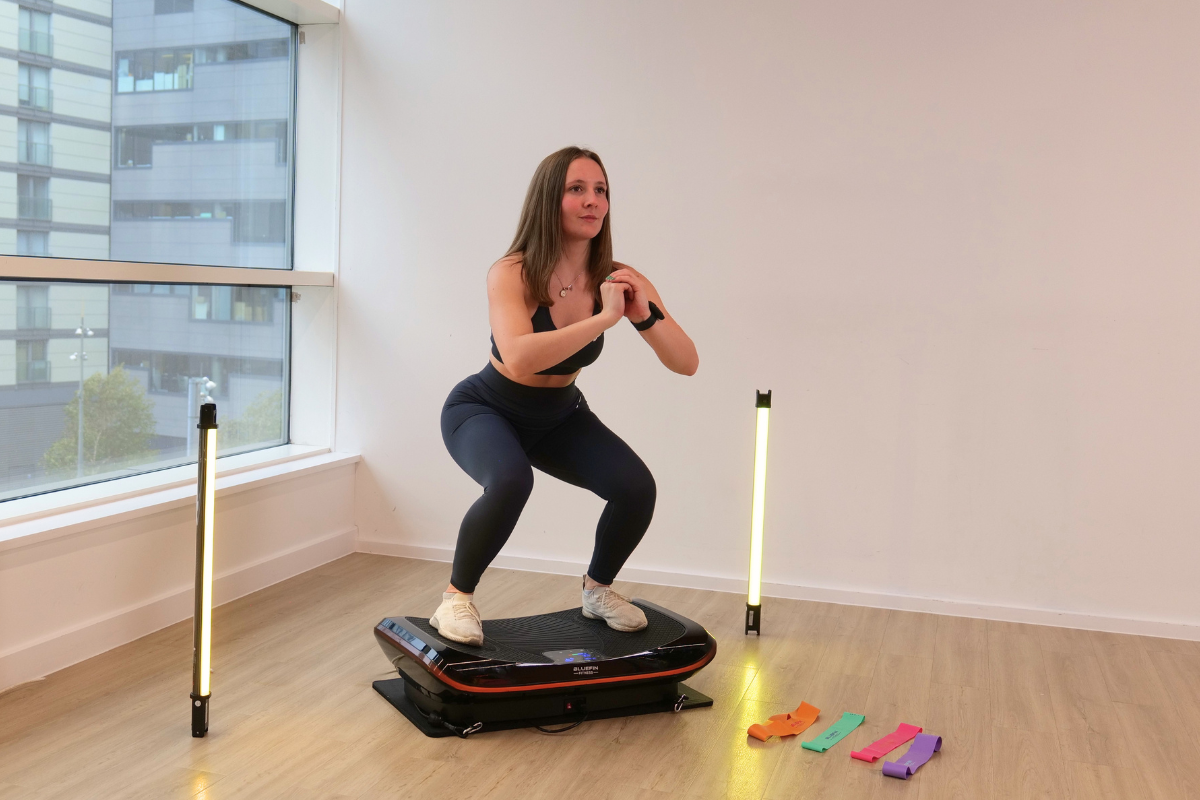
Exercises like squats, planks, calf raises, lunges, and stretching routines can all be performed on a vibration plate. Some people also use vibration plates simply for short standing recovery sessions or movement breaks throughout the day.
At Bluefin Fitness, vibration plates are designed to support practical home fitness routines rather than unrealistic “instant transformation” claims.
Do Vibration Plates Really Work?
Yes but understanding what “work” means is important.
A vibration plate can absolutely contribute to:
Increased daily movement
More engaging home workouts
Improved workout consistency
Recovery-focused exercise
Muscle activation during simple movements
Low-impact training routines
For many users, the biggest benefit is not dramatic transformation. It is making movement feel more accessible and easier to maintain consistently.
That matters because consistency is ultimately what drives long-term results.
A short workout performed regularly usually delivers more value than intense exercise routines that quickly become unsustainable.
This is one reason vibration plates have become popular with:
Busy professionals
Beginners
Older adults
Home fitness users
People looking for low-impact exercise options

What Results Can You Realistically Expect?
This is where realistic expectations matter most.
A vibration plate is not designed to replace an active lifestyle entirely. But used consistently, many people report benefits such as:
Feeling more active
Improved mobility
Better recovery after workouts
Increased engagement during home exercise
Easier movement routines
Better workout consistency
For beginners especially, vibration plates can help lower the barrier to regular movement because workouts feel shorter, more manageable, and easier to start. That psychological side is often overlooked.
When exercise feels convenient and approachable, people are far more likely to maintain it long term.
Common Myths About Vibration Plates
Myth 1: You Can Lose Weight Without Moving
This is probably the biggest misconception. Standing completely still on a vibration plate is not a replacement for an active lifestyle, balanced nutrition, or regular movement. Vibration plates work best when combined with exercises and healthy habits.
Myth 2: More Expensive Machines Automatically Create Better Results
Premium machines may improve comfort, stability, and durability, but consistency matters more than price alone. The best vibration plate is usually the one you actually use regularly.
Myth 3: Vibration Plates Replace Strength Training
They do not fully replace strength training. However, they can complement bodyweight workouts, mobility sessions, and recovery-focused exercise.
Myth 4: Results Should Be Instant
Like most fitness routines, results take consistency. People often notice improvements in movement or recovery first, while broader fitness changes depend on long-term habits.

What Vibration Plates Are Actually Good For
Vibration plates work particularly well as part of realistic home fitness routines.
They are commonly used for:
Low-impact exercise
Recovery sessions
Balance work
Mobility-focused routines
Short home workouts
Movement breaks during sedentary days
This makes them especially useful for people who:
Work from home
Have limited time
Prefer low-impact exercise
Struggle with workout motivation
Want convenient home fitness options
Because vibration plates are compact and easy to use at home, they often remove some of the barriers that prevent regular exercise in the first place.
What Vibration Plates Do Not Replace
Vibration plates should not be viewed as a complete replacement for:
Cardiovascular fitness
Strength training
Outdoor activity
Walking
General movement
Instead, they work best as a supportive addition to an active lifestyle. For many people, that supportive role is exactly what makes them useful. They help make movement feel more achievable on busy days when long gym sessions are unrealistic.
How Long Does It Take to See Results?
Results vary depending on:
Consistency
Exercise habits
Lifestyle factors
Workout intensity
Frequency of use
Some users notice improvements in mobility, circulation, or muscle engagement relatively quickly. Longer-term fitness changes naturally depend on broader activity levels and routines as well. The key factor is consistency rather than intensity. Short sessions repeated regularly are often more sustainable than occasional extreme workouts.
How to Get the Most Out of a Vibration Plate
The best results usually come from using vibration plates as part of a balanced routine.
That could include:
Bodyweight exercises
Stretching sessions
Recovery work
Short home workouts
Mobility-focused routines
Exercises commonly performed on vibration plates include:
Squats
Calf raises
Planks
Lunges
Balance exercises
Standing recovery sessions
The goal is not perfection. It is creating movement habits that feel manageable and sustainable long term.

Who Benefits Most From Vibration Plates?
Vibration plates can suit a wide range of users, but they are particularly popular with people looking for accessible home fitness solutions.
That often includes:
Beginners
Busy professionals
Older adults
People seeking low-impact exercise
Users wanting convenient home workouts
Those looking to support recovery routines
For many users, the biggest advantage is convenience. When workouts feel easier to start, consistency becomes much more realistic.
Final Verdict
So, do vibration plates actually work? Yes when used with realistic expectations.
They are not miracle machines that replace exercise entirely, but they can absolutely support movement, recovery, low-impact workouts, and home fitness consistency. The most important thing is understanding what vibration plates are designed to do.
They work best as part of a broader lifestyle focused on regular movement and sustainable fitness habits. For many people, that supportive role is exactly why vibration plates become valuable long-term additions to home fitness routines.
At Bluefin Fitness, vibration plates are designed around practical everyday use helping people build realistic, approachable movement habits at home rather than chasing unrealistic shortcuts.
FAQs
Do vibration plates actually help?
Yes. Vibration plates can support movement, recovery, muscle engagement, and low-impact exercise routines when used consistently.
Can vibration plates replace exercise?
No. They work best as a supportive fitness tool alongside regular movement and healthy habits.
How often should you use a vibration plate?
Usage varies depending on goals, but many people incorporate short sessions several times per week.
Are vibration plates good for beginners?
Yes. Their low-impact nature makes them accessible for many beginners and home fitness users.
Do vibration plates help with recovery?
Many people use vibration plates as part of recovery-focused mobility and movement routines.
Share:
How to Exercise at Home Without Equipment (and How Vibration Plates Help)
Bluefin Vibration Plates Compared: Which Is Right?