

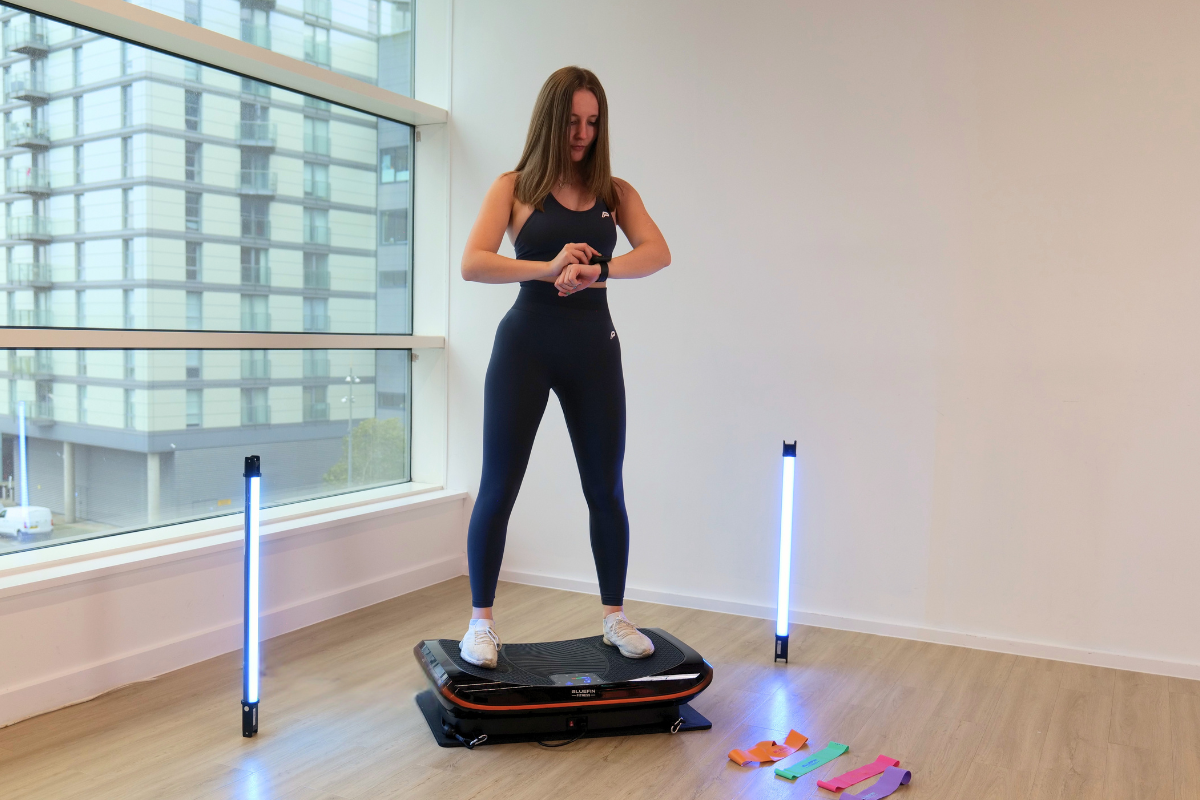
Whole body vibration has moved from elite sports labs into everyday home gyms, offering a time-efficient, low-impact way to boost muscle activation, circulation, and recovery. This guide breaks down the science, sets realistic expectations for results, and helps you choose the right vibration plate for your needs.
Most of us know the feeling: you want real results, but the idea of spending hours at the gym every week just isn't realistic. Work, family, commute, life, it all stacks up. So when you do carve out time to train, you want every minute to count.
That's exactly where whole body vibration comes in. Once reserved for elite sports labs and professional rehabilitation clinics, vibration plate training has made its way into home gyms across the UK and EU, and for good reason. It's time-efficient, low-impact, and backed by a growing body of fitness and rehabilitation research. This isn't a gimmick from a late-night shopping channel. It's a genuine training tool used by physiotherapists, athletes, and everyday fitness enthusiasts alike.
But what actually happens when you step onto a vibration plate? How does standing on a buzzing platform translate into muscle activation, improved circulation, or faster recovery? And how do you choose between the growing range of models now available for home use?
This guide answers all of that. We'll walk you through the science behind whole body vibration, the benefits you can realistically expect, who it's suited to, how to use it effectively, and what to look for when choosing the right platform for your home. Whether you're completely new to vibration training or you're already curious about upgrading your current setup, you'll leave with a clear, honest picture of what WBV can do for you.
The Science Behind the Shake: How Whole Body Vibration Actually Works
Step onto a vibration plate and you'll immediately notice something interesting: your muscles start working without you consciously telling them to. That's not a coincidence. It's the entire point.
Whole body vibration works through a mechanism called the tonic vibration reflex, or TVR. When the platform generates rapid mechanical oscillations, those vibrations travel up through your feet, legs, and into your core. Your nervous system interprets these rapid movements as instability and responds by triggering involuntary muscle contractions to compensate. The result is a training stimulus that engages your muscles continuously throughout the session, even during positions that might otherwise feel passive.
Think of it like this: your body is constantly trying to maintain balance and control on an unstable surface. The faster and more complex the vibration, the harder your muscles work to keep up. That's fundamentally different from simply standing still.
Oscillating vs. Linear: Understanding Platform Motion Types
Not all vibration plates move the same way. There are two primary motion types found in consumer fitness platforms, and understanding the difference helps you make a smarter buying decision.
Oscillating (pivotal) vibration produces a side-to-side, seesaw-style motion. The left side of the platform rises as the right side falls, mimicking the natural weight-shifting movement of walking. This type tends to be gentler and is often recommended for beginners or those using vibration for recovery and flexibility.
Linear (vertical) vibration moves the entire platform up and down simultaneously. Both feet receive the same stimulus at the same time, producing a more direct, symmetrical muscle contraction. This type is commonly associated with strength and toning applications.
More advanced platforms take things further. Bluefin Fitness's 4D Triple Motor technology combines multiple movement planes simultaneously, producing a more complex and comprehensive stimulus than either single-axis type alone. Rather than choosing between oscillating and linear motion, you get both working together, creating a richer training environment for your muscles and nervous system.
Frequency, Amplitude, and Why They Matter
Two variables control the intensity of any WBV session: frequency and amplitude.
Frequency is measured in Hertz (Hz) and refers to how many oscillations the platform completes per second. Consumer vibration plates typically range from around 5 Hz up to 40 Hz or beyond. Lower frequencies tend to feel gentler and are well-suited to warm-up, recovery, or beginner use. Higher frequencies produce a more intense stimulus and are generally used by more experienced users pursuing strength or toning goals.
Amplitude refers to the displacement of the platform, measured in millimetres. A higher amplitude means the platform moves further with each oscillation, increasing the physical challenge. Together, frequency and amplitude determine how demanding a session feels.
This is why adjustable settings matter so much. A platform with a wide frequency and amplitude range can serve a complete beginner on their first session and still challenge the same person six months later when their fitness has improved. Fixed-intensity machines simply can't offer that kind of long-term value.
What Whole Body Vibration Can Do for Your Body
The appeal of whole body vibration isn't just about convenience. There are genuine physical benefits associated with regular use, spanning fitness performance, recovery, and general wellness. Here's what you can realistically expect.
Muscle Activation and Toning
Because WBV triggers involuntary muscle contractions through the tonic vibration reflex, it activates a high proportion of muscle fibres during each session. This is particularly notable in stabiliser muscles, the smaller, deeper muscles around your joints and core that traditional gym exercises often miss.
Regular use is commonly associated with improvements in muscle tone and strength, particularly in the legs, glutes, and core. When you add active exercises on the platform, such as squats, lunges, or press-up holds, the vibration amplifies the training effect by increasing the demand on your muscles throughout the movement.
Circulation and Lymphatic Support
The rapid oscillations produced by a vibration plate have a mechanical pumping effect on the body's circulatory and lymphatic systems. Many users report a noticeable warmth and tingling sensation during sessions, which reflects increased blood flow to the extremities.
This circulatory boost is one reason vibration plates are popular as a warm-up tool before training. It's also why many users incorporate a short WBV session into their cool-down routine, as improved circulation is thought to support lymphatic drainage and assist the body's natural recovery processes after exercise.
Flexibility and Range of Motion
Pairing whole body vibration with stretching is a particularly effective combination. The vibration encourages muscle relaxation and increases blood flow to soft tissue, which can enhance the effectiveness of static and dynamic stretching. Many users find they can achieve greater range of motion when stretching on or immediately after using a vibration plate compared to stretching alone.
Recovery and Post-Workout Soreness
Athletes and fitness enthusiasts increasingly use vibration plates as a recovery tool. The combination of improved circulation, muscle relaxation, and lymphatic support is associated with reduced perceived muscle soreness in the hours and days following intense training. Even a short 10-minute session at a low frequency can make a meaningful difference to how your body feels after a hard workout.
Weight Management: Setting Realistic Expectations
It's worth being honest here. Whole body vibration is not a passive weight-loss solution. Simply standing on a plate will not replace the caloric expenditure of cardio or resistance training.
Where WBV genuinely contributes to weight management is as a complement to an active lifestyle. It can support muscle tone, improve recovery so you can train more consistently, and add variety to your routine in a way that keeps you engaged. Think of it as one effective tool in your overall fitness toolkit, not the whole toolkit itself.
Who Is Whole Body Vibration For?
One of the most appealing things about vibration plate training is how broadly accessible it is. The adjustable intensity settings and low-impact nature make it suitable for a wide range of people, from complete beginners to experienced athletes.
Who Benefits Most
Beginners building a home fitness habit: If you're new to regular exercise, a vibration plate offers a low-barrier entry point. Even a basic standing session at a gentle frequency delivers a meaningful stimulus without the intimidation factor of a weights room or the impact stress of running.
Busy professionals with limited workout windows: WBV sessions are inherently time-efficient. A focused 15-minute session can deliver genuine fitness benefits, making it a practical option for anyone who struggles to find longer blocks of training time during the week.
Older adults seeking low-impact movement: The low-impact nature of vibration training makes it particularly well-suited to older adults or those with joint sensitivities. It provides a meaningful physical stimulus without the loading stress associated with high-impact exercise. Many users in this group find it valuable for maintaining balance, leg strength, and general mobility.
Athletes using it for warm-up or recovery: At the other end of the spectrum, vibration plates are a well-established tool in sports performance environments. Athletes use them to prime muscles before training, accelerate recovery between sessions, and maintain mobility during rest periods.
Who Should Check with a Healthcare Professional First
While whole body vibration is suitable for most healthy adults, there are specific situations where you should consult your GP or healthcare provider before use. Standard contraindications widely referenced in fitness and medical guidance include pregnancy, recent surgery or bone fractures, acute thrombosis or deep vein thrombosis (DVT), pacemakers or other implanted electronic devices, acute inflammatory joint conditions, severe osteoporosis, and epilepsy.
This isn't a reason to be alarmed. It's simply responsible guidance. If any of these apply to you, a quick conversation with your doctor will help you understand whether and how you can safely incorporate vibration training into your routine.
For everyone else, the adjustable intensity range on a quality vibration plate means you can genuinely start at whatever level feels comfortable and progress at your own pace. A gentle five-minute standing session is a perfectly valid starting point.
Getting the Most from Every Session: Positions, Timing, and Technique
Owning a vibration plate is one thing. Knowing how to use it effectively is another. Here's how to structure your sessions for the best results.
Foundational Positions and Exercises
Basic standing stance: Stand with feet shoulder-width apart, knees slightly soft (never locked). This is your starting position and works well for beginners getting accustomed to the vibration stimulus. It primarily engages the legs and core stabilisers.
Bent-knee squat position: Lower into a partial squat, holding the position statically while the plate vibrates. This significantly increases the demand on your quads, glutes, and hamstrings. As you get stronger, you can add dynamic squats on the platform for an even greater challenge.
Calf raises: Rise up onto the balls of your feet and hold, or perform slow, controlled raises. The vibration intensifies the contraction through the calves and helps with ankle stability.
Upper-body engagement with resistance bands: Many vibration plates come with resistance bands attached. Use these while standing on the plate to add bicep curls, shoulder presses, or lateral raises. This turns a lower-body session into a full-body workout without any additional equipment.
Push-up position on the platform: Place your hands on the plate and hold a push-up or plank position. The vibration creates an intense demand on the chest, shoulders, triceps, and core simultaneously.
Session Structure and Progression
For beginners, starting with sessions of 10 to 15 minutes, three to four times per week, is a sensible approach. This gives your body time to adapt to the new stimulus without overdoing it in the early weeks.
Over time, you can progressively increase session duration, add more active exercises, raise the frequency or amplitude settings, or increase the number of sessions per week. The key word is progressively. Rushing the progression is the most common mistake new users make.
Rest days matter too. Your muscles need time to recover and adapt, just as they do with any other form of training.
Tips That Maximise Your Results
Stay hydrated: The increased circulation and muscle activity during WBV sessions means your body benefits from good hydration before and after.
Use the pre-set programmes first: Most quality vibration plates include built-in programmes that automatically vary frequency and intensity throughout the session. These are a great starting point before you begin customising settings manually.
Pair with stretching: Spend five to ten minutes stretching after each session while your muscles are warm and circulation is elevated. You'll notice a meaningful difference in your flexibility over time.
Combine with light cardio: On days when you want a more complete workout, use the vibration plate for warm-up and cool-down, with a walk, cycle, or bodyweight circuit in between.
Choosing the Right Vibration Plate for Your Home
The vibration plate market has expanded significantly, which is great for consumer choice but can make the buying decision feel overwhelming. Here's what actually matters when you're comparing models.
Key Specifications to Compare
Motor type and quality: The motor determines how consistent and reliable the vibration output is. UK-designed silent-drive motors, like those found across the Bluefin Fitness range, are a genuine differentiator for anyone living in a flat, apartment, or shared home. Noise levels vary significantly between brands, and a quieter machine means you can train at any hour without disturbing neighbours.
Frequency range: A wider frequency range gives you more flexibility to adjust session intensity. Look for a platform that covers both gentle recovery frequencies and higher-intensity training frequencies.
Platform size: A larger platform gives you more room to adopt different positions and exercise comfortably. If space is limited, a compact footprint becomes a priority.
Maximum user weight: Always check this against your own weight with a sensible margin. Exceeding the rated capacity affects both safety and motor longevity.
Included accessories: Resistance bands, remote controls, and on-board programme options add value and versatility without requiring additional purchases.
Matching the Right Bluefin Model to Your Needs
Ultra SLIM: Designed for space-conscious buyers, the Ultra SLIM delivers effective vibration training in a compact, low-profile form factor. If you're working with a smaller home gym space or need a plate that stores easily under a bed or sofa, this is the practical choice without compromising on quality.
Slim Plus: A versatile mid-range option that suits most everyday training goals. It balances platform size, frequency range, and programme variety in a package that works well for users who want flexibility across different session types, from recovery to active training.
4D Triple Motor: Bluefin's flagship model for users who want the most advanced vibration experience available for home use. The 4D Triple Motor combines multiple movement planes simultaneously, producing the complex, multi-directional stimulus that single-axis machines simply can't replicate. If you're serious about getting the most comprehensive whole body vibration training at home, this is the platform to consider.
Practical Buying Considerations
Beyond the specs, think about warranty coverage, ease of use, and the quality of customer support. A vibration plate is a long-term investment in your health, and you want a brand that stands behind its products.
If you're unsure which model fits your goals, Bluefin Fitness offers a product quiz to help match you with the right plate based on your fitness level, space, and objectives. It takes the guesswork out of the decision entirely.
Building WBV Into Your Weekly Routine
The final piece of the puzzle is consistency. The most effective vibration plate is the one you actually use regularly, and the best way to ensure that happens is to build WBV sessions into your existing routine rather than treating them as an extra thing to fit in.
Here's a simple framework to get started:
Morning activation: A 10-minute session at a moderate frequency before your day begins. Basic stance, calf raises, and a squat hold. This primes your muscles, boosts circulation, and sets an energetic tone for the day.
Post-workout recovery: After a run, strength session, or any other training, use the plate at a lower frequency for 10 minutes while incorporating gentle stretches. This is one of the most effective ways to accelerate recovery and reduce next-day soreness.
Standalone low-impact day: On rest days from more intense training, a 15-minute vibration session keeps you moving without adding significant recovery load. It's particularly useful on days when your body feels tired but you still want to do something.
The most important thing to remember, especially in the early weeks, is that short and consistent beats long and sporadic every time. Three 12-minute sessions per week will deliver better results over time than one 45-minute session followed by a week of nothing. Your body adapts to consistent stimulus, not occasional effort.
Start simple, build gradually, and let the results motivate you to keep going. That's the whole body vibration approach that actually works.
Share:
Vibration Plate Workout Plan: Build Your Own Programme in 6 Steps
How to Use a Vibration Plate: Step-by-Step Guide for Beginners and Beyond