

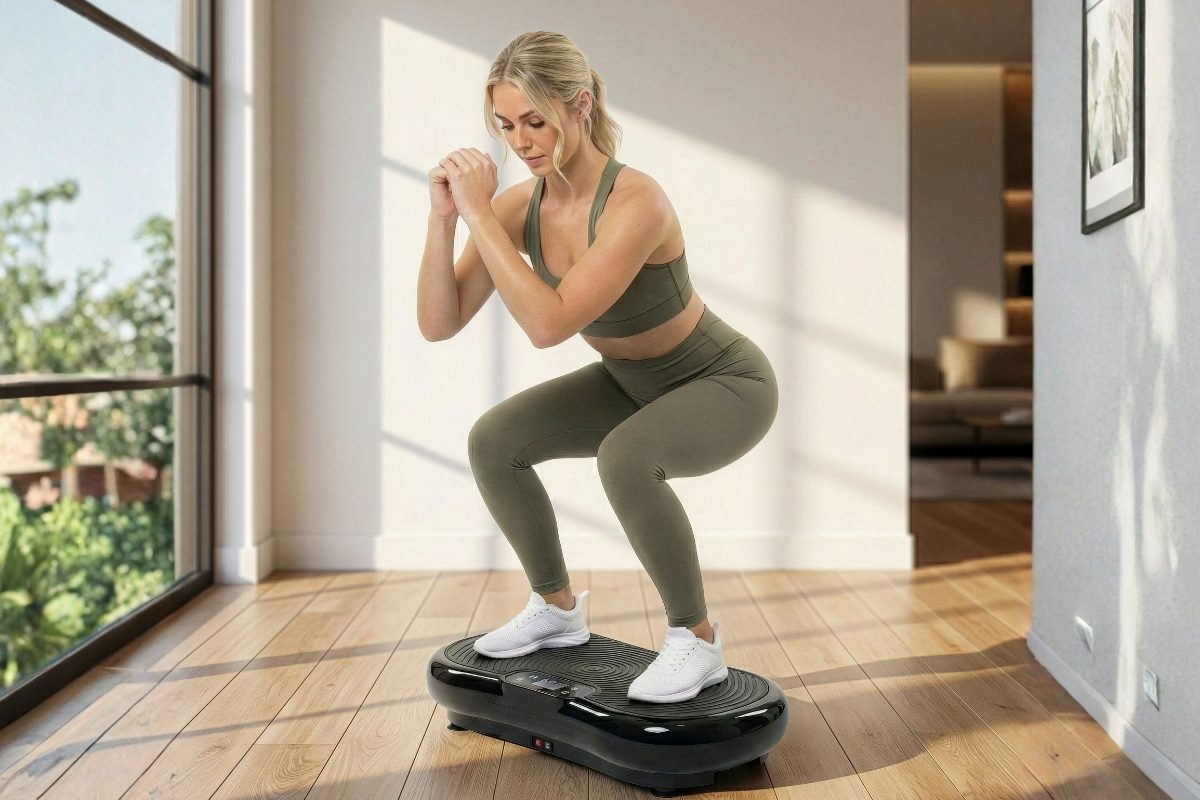
Your lymphatic system has no pump of its own, it relies entirely on movement to filter waste and reduce fluid buildup. This article explains how using a vibration plate for lymphatic drainage triggers the involuntary muscle contractions that keep your lymphatic system flowing, and why it's becoming a go-to tool for wellness-focused individuals and physiotherapy practitioners alike.
You know that feeling after a long day at your desk, or the morning after an intense workout, when your legs feel heavy, your ankles look a little puffy, and your whole body seems to be running at half speed? It's easy to blame fatigue or overexertion, but there's another system at work beneath the surface that often goes unnoticed until it starts to struggle: your lymphatic system.
Think of the lymphatic system as your body's internal drainage network. It quietly filters waste, removes excess fluid from tissues, and supports your immune function around the clock. The catch? Unlike your heart, it has no dedicated pump. It depends entirely on your movement to keep things flowing. And in a world built around sitting, that's a problem more people are running into than ever before.
This is where vibration plates enter the conversation. Using a vibration plate for lymphatic drainage is a growing area of interest among home fitness enthusiasts, wellness-focused individuals, and even some physiotherapy practitioners. The idea is straightforward: the rapid, involuntary muscle contractions triggered by whole-body vibration mimic the muscular pumping action your lymphatic system relies on, potentially encouraging better fluid circulation without requiring intense exercise.
This article isn't here to make medical claims. It's here to give you a clear, honest look at the science behind vibration and lymphatic flow, show you how to use a vibration plate specifically for this purpose, and help you understand what to look for when choosing the right equipment. By the time you finish reading, you'll have everything you need to make an informed, confident decision about adding this approach to your home wellness routine.

Your Body's Hidden Drainage System, And Why It Needs Help
Most people are familiar with the cardiovascular system: the heart pumps blood through arteries and veins in a continuous loop. The lymphatic system is less well known, but it's equally essential. It's a vast network of vessels, nodes, and organs that runs throughout the body, collecting excess fluid, cellular waste, toxins, and pathogens from your tissues and transporting them to lymph nodes where they're filtered before the cleaned fluid re-enters the bloodstream.
Here's the key difference from the cardiovascular system: there is no heart equivalent for lymph. No dedicated pump. The lymphatic system depends on three main forces to keep fluid moving: skeletal muscle contractions, the pressure changes created by breathing, and gravity. When you walk, stretch, exercise, or even take a deep breath, you're actively helping your lymphatic system do its job.
When lymphatic flow slows down, the effects are noticeable. Common signs of sluggish lymphatic circulation include puffiness in the hands, feet, or ankles, a persistent feeling of heaviness in the limbs, slower recovery after exercise, skin that feels dull or congested, and a general low-grade fatigue that doesn't quite go away with rest. For home fitness enthusiasts who train hard and then spend the rest of the day at a desk, this combination can feel frustratingly familiar.
The modern lifestyle is, in many ways, directly at odds with healthy lymphatic function. Long hours of desk work, extended commutes spent sitting, and reduced incidental movement throughout the day all contribute to reduced muscle activity, which in turn reduces the mechanical stimulation your lymphatic vessels need to keep circulating. This isn't a niche problem. It's an increasingly common one as working patterns shift toward sedentary environments.
The encouraging news is that the lymphatic system responds well to movement, even gentle movement. You don't need to run a marathon to encourage better lymphatic flow. What you need is consistent, rhythmic muscular activity that compresses and releases the vessels throughout your body. That's exactly the principle that makes whole-body vibration an interesting tool in this context. Rather than requiring sustained cardiovascular effort, a vibration plate creates rapid, repeated micro-contractions across multiple muscle groups simultaneously, offering a time-efficient way to stimulate the mechanical pumping action your lymphatic system depends on.
Understanding this foundation is important because it shifts how you think about vibration plate use. It's not just about burning calories or building strength. For many people, it's about giving a chronically under-stimulated system the movement input it needs to function well.
The Science Behind Vibration and Lymphatic Flow
To understand why a vibration plate may support lymphatic function, you first need to understand what whole-body vibration actually does to the body at a muscular level.
When you stand on a vibration plate, the platform oscillates rapidly, sending vibrations up through your feet, legs, and into your core and upper body. Your nervous system interprets these vibrations as instability and responds by triggering what's known as the tonic vibration reflex (TVR): rapid, involuntary muscle contractions that occur many times per second. These aren't the deliberate contractions of a squat or a lunge. They're automatic, rhythmic, and distributed across a wide range of muscle groups simultaneously.
This is where the connection to lymphatic function becomes relevant. The lymphatic vessels that run through your muscles and tissues are surrounded by smooth muscle that can contract, but they also rely heavily on the mechanical compression created by the skeletal muscles around them. Every time a muscle contracts and then releases, it squeezes the adjacent lymphatic vessels, pushing fluid forward through one-way valves toward the lymph nodes. This is the same principle behind why regular walking, swimming, or any form of exercise supports lymphatic health. Whole-body vibration replicates this compression-and-release action at a high frequency, across multiple muscle groups, in a format that requires relatively little physical effort from the user.
It's important to be clear about the state of the research here. The scientific exploration of whole-body vibration and lymphatic function is genuinely developing, with particular interest emerging in physiotherapy and oncology rehabilitation settings. Early findings are promising enough to sustain serious academic attention, but this is not a field with definitive, large-scale clinical conclusions yet. The mechanism is physiologically plausible and grounded in well-understood principles of how the lymphatic system works. Responsible framing means presenting it as a supportive tool with a credible rationale, not as a proven medical treatment.
The type of vibration also matters. Different vibration plate designs produce different movement patterns, and these have implications for which parts of the body are most engaged.
Oscillating (pivotal) vibration: This produces a seesaw motion, with one side of the platform rising as the other falls. It creates strong engagement in the lower body, particularly the hips, thighs, and calves, which are areas where lymphatic congestion is commonly felt.
Lineal vibration: This moves the platform directly up and down, creating a more uniform whole-body stimulus that engages the core and upper body more evenly alongside the legs.
4D tri-planar vibration: This is the technology behind Bluefin Fitness's 4D Triple Motor models. Rather than moving in a single plane, tri-planar vibration combines multiple directions of movement simultaneously. This multi-directional stimulation may engage a broader range of muscles and surrounding lymphatic vessels at once, making it a particularly interesting option for those specifically focused on systemic lymphatic support rather than isolated lower-body engagement.
The frequency setting you use also plays a role. Lower frequencies in the region of 20 to 30 Hz are generally associated with gentler, recovery-oriented stimulation rather than high-intensity muscle activation. For lymphatic goals specifically, this gentler range is typically more appropriate than the higher settings used for strength training or performance work.
How to Use a Vibration Plate Specifically for Lymphatic Support
Using a vibration plate for lymphatic drainage is different from using it for fitness training. The goal isn't maximum intensity. It's consistent, gentle stimulation that encourages fluid movement without overwhelming the system. Here's how to approach it effectively.
Positions and Postures That Work Best
The positions you adopt on the plate significantly influence which muscles are engaged and, by extension, which lymphatic vessels receive the most stimulation.
Soft-knee standing: Simply standing on the plate with your knees slightly bent rather than locked is a foundational position for lymphatic work. Locked knees restrict circulation; soft knees allow the vibration to travel more freely through the leg muscles and engage the calf pump, which is one of the most important drivers of lymphatic return from the lower body.
Calf raises: Slowly rising onto your toes and lowering back down while the plate vibrates adds an active pumping motion on top of the vibration stimulus. The calves are sometimes called the body's second heart for their role in pushing blood and lymph back up toward the core, so engaging them deliberately is particularly effective.
Light squats: Gentle, shallow squats on the plate increase engagement across the thighs and glutes, compressing and releasing a larger network of vessels with each repetition. Keep the movement slow and controlled rather than bouncy.
You don't need to cycle through complex routines. For lymphatic goals, simplicity and steadiness are more valuable than variety and intensity.
Session Parameters for Lymphatic Goals
If you're used to using a vibration plate for strength or general fitness, you may need to consciously dial things back when focusing on lymphatic support.
Frequency: Aim for the lower end of your plate's range, typically around 20 to 30 Hz. This provides enough stimulation to trigger the muscle contractions needed for lymphatic pumping without pushing into the higher-intensity territory that's more appropriate for muscle conditioning.
Session length: Ten to fifteen minutes is a well-suited duration for lymphatic-focused sessions. This is long enough to provide meaningful stimulation across multiple muscle groups but short enough to feel achievable as a daily or near-daily habit.
Intensity: Keep the amplitude setting moderate. The goal is rhythmic stimulation, not a workout.
Habits That Amplify the Results
What you do around your vibration plate sessions matters as much as the sessions themselves.
Hydration: Lymph fluid is largely water-based, and dehydration makes it thicker and harder to move through the vessels. Drinking water before and after your sessions is a genuinely important step, not just a generic wellness tip.
Deep breathing: The diaphragm plays a documented role in lymphatic circulation. When you breathe deeply, the pressure changes in your chest cavity help drive lymph through the thoracic duct, the main lymphatic vessel in the chest. Practising slow, deep belly breathing during your vibration plate sessions adds a meaningful secondary stimulus to the mechanical one from the plate.
Consistency: For lymphatic support, regularity matters far more than any single session. A ten-minute session four times a week will serve you better than an occasional longer session. Build it into a routine rather than treating it as an occasional intervention.

Choosing the Right Vibration Plate for Lymphatic Goals
Not all vibration plates are created equal, and if lymphatic support is a primary goal, certain features matter more than others.
What to Look For
Adjustable frequency range: You need a plate that can operate comfortably in the lower frequency range, around 20 to 30 Hz, with smooth, consistent output at those settings. Some budget plates only perform reliably at higher intensities. Look for a model with a wide, genuinely usable range.
Motor quality and vibration consistency: Smooth, consistent vibration is more effective and more comfortable than erratic or uneven output. Motor quality directly affects this. A well-engineered motor delivers steady stimulation that the body can respond to predictably.
Platform stability: A stable platform that doesn't wobble or shift during use is important both for safety and for ensuring that the vibration is transmitted effectively through your body rather than being absorbed by the plate's own movement.
Vibration type: As discussed earlier, the type of vibration influences which muscles and vessels are engaged. For broader, more systemic lymphatic stimulation, a multi-directional option offers advantages over a purely oscillating or lineal design.
Bluefin Fitness Models Worth Considering
Bluefin Fitness designs its vibration plates with exactly these considerations in mind. The Ultra SLIM model is an excellent choice for anyone working with limited space. Its compact footprint means it fits easily in a living room, bedroom, or home office, removing the practical barriers that often prevent people from building a consistent daily routine. It delivers reliable vibration across a usable frequency range, making it well suited to the gentle, regular sessions that lymphatic goals call for.
For those who want the most comprehensive stimulation available, the 4D Triple Motor models bring tri-planar, multi-directional vibration to home use. The combination of movement directions engages a broader range of muscles simultaneously, which translates to wider lymphatic vessel stimulation across the body. If systemic lymphatic support is your primary focus, this additional dimension of movement is a meaningful upgrade.
Both ranges benefit from Bluefin's UK-designed silent-drive motor technology. This is a genuinely practical feature for home use: sessions can happen at any time of day without disturbing others in the household, which makes the difference between a plate that gets used consistently and one that stays in the corner.
If you're not sure which model suits your specific goals and circumstances, Bluefin's plate quiz is a helpful starting point.
Who Benefits Most, And Important Precautions to Know
Vibration plates for lymphatic support are relevant to a wide range of people, but they're not universally appropriate. Understanding both sides of this picture is important.
Who May Find This Particularly Useful
People with sedentary jobs: If your working day involves extended periods of sitting, your lymphatic system is receiving very little of the muscular stimulation it needs. A short vibration plate session before or after work can provide a meaningful movement input that a desk-based day simply doesn't offer.
Those in post-workout recovery phases: After intense training, the body needs to clear metabolic waste and reduce inflammation. Gentle vibration plate sessions at lower frequencies may help support this clearing process, potentially contributing to faster, more comfortable recovery between sessions.
Individuals managing general puffiness or water retention: For people who regularly experience that heavy, swollen feeling in the legs or ankles without an underlying medical cause, consistent low-frequency vibration plate use may help encourage better fluid movement through the lower body.
Older adults seeking low-impact movement: As we age, incidental daily movement often decreases, and the lymphatic system can become less efficient. Vibration plates offer a low-impact, low-effort way to maintain the muscular stimulation that supports lymphatic circulation, without placing significant stress on joints.
When to Consult a Medical Professional First
This guidance is offered as responsible information, not as a reason to avoid vibration plates. It simply reflects the importance of getting appropriate advice in certain situations.
You should speak to a doctor or qualified healthcare professional before using a vibration plate if you have a diagnosed lymphatic condition such as lymphoedema, if you are pregnant, if you have a known circulatory condition such as deep vein thrombosis or peripheral arterial disease, or if you are in a post-surgical recovery period. In these cases, vibration therapy may still be appropriate, but the specifics need to be guided by someone with knowledge of your individual health picture.
For the vast majority of healthy adults, vibration plates used at appropriate settings are a safe and accessible wellness tool. The key word is complementary. They support the body's natural processes; they don't replace medical care or treatment.

Building It Into Your Routine, Practical Tips That Stick
The most effective lymphatic support routine is the one you actually do consistently. Here's how to make that realistic.
A Simple Weekly Starting Framework
Begin with three to four sessions per week, each lasting ten to fifteen minutes at a lower frequency setting. This is enough regularity to provide meaningful, cumulative stimulation without feeling like a significant time commitment. As the routine becomes established, you can adjust based on how your body responds, but don't be tempted to push intensity in search of faster results. For lymphatic goals, gentleness and regularity are the winning combination.
A good time for a session is in the morning before your day becomes sedentary, or in the early evening as a transition between work and rest. Both timings make practical sense: morning sessions set up better fluid movement for the day ahead, while evening sessions help clear the accumulation of a day spent sitting.
Pairing With Other Lymphatic-Friendly Habits
Light walking: Even a ten-minute walk after your vibration plate session extends the lymphatic stimulation and reinforces the fluid movement the plate has initiated. Think of it as a gentle cool-down that keeps things flowing.
Dry brushing before sessions: Using a dry body brush on the skin before stepping on the plate is a traditional wellness practice thought to stimulate superficial lymphatic vessels just beneath the skin's surface. Whether or not you incorporate this, it pairs naturally with vibration plate use as part of a pre-session routine.
Elevating your legs after: Lying down and raising your legs above heart level for five to ten minutes after a session uses gravity to assist lymphatic return from the lower body. It's simple, costs nothing, and adds a pleasant wind-down moment to the routine.
Removing the Friction
One of the most underrated advantages of Bluefin's SLIM models is their footprint. A plate that lives visibly in your living space is a plate you'll actually use. When there's no gym bag to pack, no commute to factor in, and no setup required beyond stepping on, the barrier to daily use drops dramatically. That convenience isn't a minor detail. For building the kind of consistent habit that lymphatic support genuinely requires, it might be the most important feature of all.
Share:
7 Proven Strategies to Boost Circulation with a Vibration Plate
7 Proven Strategies for Using a Vibration Plate for Recovery